The Flawed Impression as Evidence: A Case for Screening the Reject Print
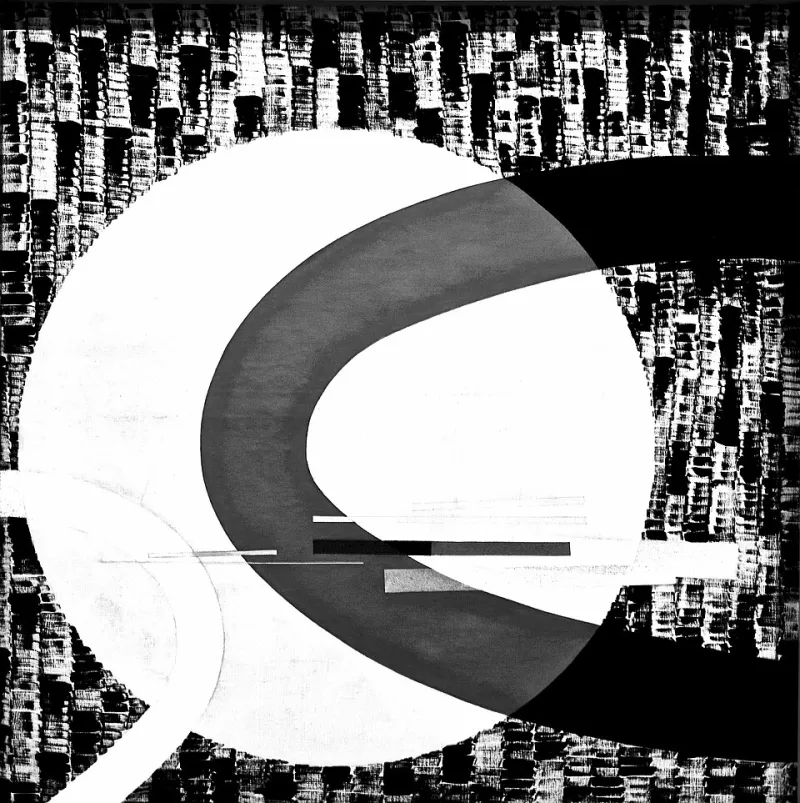
Photo: Pedro Ribeiro Simões from Lisboa, Portugal, CC BY 2.0, via Wikimedia Commons
The clean export has become the default measure of professional seriousness in American short film. A finished picture, a finished poster, a finished press kit: three surfaces sanded to the same smoothness. Against that standard, the recent fashion for releasing reject prints alongside experimental shorts looks like a lapse in judgment — or, worse, a marketing pose. It is neither. Handled with discipline, the reject print is the most honest document a filmmaker can put in front of an audience.
The pull that fails instructively
Printers speak of states: the trial proof, the artist’s proof, the bon à tirer, the pull good enough to edition. Between the first and the last lie the sheets that teach. An over-inked pull closes the counters of a letter and turns a face into a smudge. An under-burnished one grays out, its blacks leaning toward the paper’s warmth. A torn sheet, caught on a slipped baren, records a hand moving faster than the felt could forgive.
Each of these is legible. That is the crucial point. A viewer does not need a glossary to see that something went wrong, and, more importantly, to see what the artist was reaching for when it did. The failure carries the intention inside it the way a shadow carries the shape of the object.
What a torn sheet tells a room
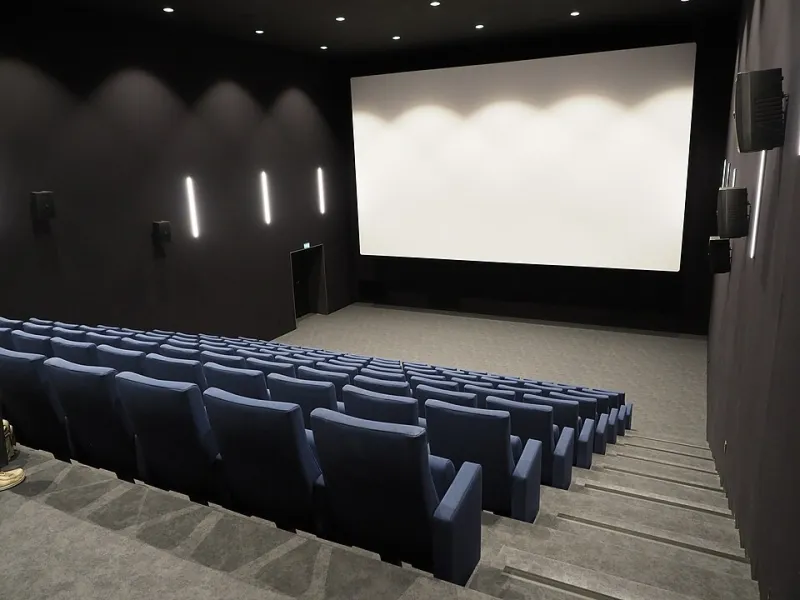
In a forty-seat micro-cinema, the print is not an abstraction. It is passed down the row. People hold it. They tilt it toward the light. The film unspools on a small screen at the front, and the sheet in their hands is dated, numbered, sometimes annotated in pencil.
That encounter does something a Q&A rarely manages: it locates the work in time. The audience stops asking whether the film is good and starts asking what it cost — not in dollars, but in hours and ruined paper. Experimental short programs have always depended on that shift. When it happens, the room stops behaving like a jury and starts behaving like a workshop.
Against the seamless release
The counterargument is that audiences deserve the best version, and that distributing anything else is self-indulgence dressed as transparency. There is force in this. A filmmaker who ships every failed attempt is not being honest; they are being exhausting. The discipline lies in selection.
But the seamless release has its own dishonesty. A short that arrives as a single immaculate file, with no evidence of the decisions that shaped it, asks the audience to believe in a process that never existed. Nothing in a finished film shows you the take that was cut, the scene that collapsed, the ten minutes removed at the last screening. The reject print restores a little of that record without requiring the filmmaker to narrate it.
A model built on evidence
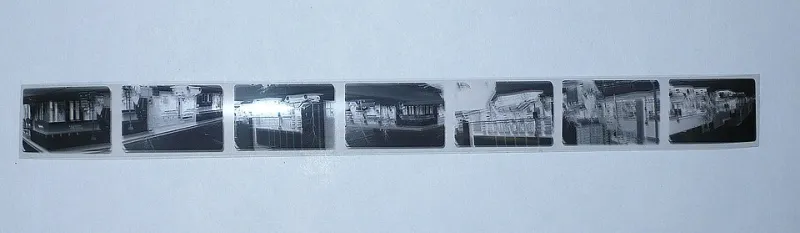
What the practice looks like in 2026 is modest and specific. A printed sleeve holds a numbered proof, dated, with a one-line note identifying the state. A second, shorter cut travels with the primary version — not as a director’s cut, which implies a hierarchy, but as a second state, screened after the first with the lights still up.
One recent example: Cinder & Salt, an eleven-minute short that has played a handful of Midwestern micro-cinemas this year, travels with a six-minute second pull and a proof torn along the lower right corner. The shorter version is not better. It is faster, and it makes visible what the longer film was protecting. Programmers who have run both report that the conversation afterward is different — more technical, less evaluative.
The risk of romanticizing failure
None of this escapes the obvious objection. A reject print can be an alibi. It can stand in for the harder work of finishing, and it can flatter an audience into believing that roughness is integrity. The difference between evidence and excuse comes down to a few plain tests.
First, the reject must teach something the final version cannot. A smudged pull that simply looks worse has no claim. Second, it must be dated, labeled, and situated — an unexplained flaw is a mood, not a document. Third, it must be screened, not merely sold. The proof in a sleeve is a souvenir; the proof on a wall beside the running film is an argument.
The invitation, not the apology
What the best of these releases accomplish is a transfer of authority. The audience is not told that the imperfection is acceptable; it is shown the conditions under which the work was made and invited to weigh them. That is a more demanding contract than the seamless export offers, and a more durable one.
American experimental cinema has never been well served by pretending to a polish it cannot afford. The reject print, released with care, says something the finished file cannot: that this was made by hands, on a particular day, with limits that were real. Audiences have shown themselves willing to read that sentence. The filmmakers who earn it are the ones who know which failures to keep.