Exit Before the Explanation: Ten American Shorts That Cut the Lights Early
Photo: Guillaume70, CC BY-SA 4.0, via Wikimedia Commons
There is a school of thought, common in studio filmmaking, that an ending is a debt every story must repay. The experimental short refuses the loan altogether. In the best American work under fifteen minutes, the cut arrives not as conclusion but as interruption — the lights come up while the film is still thinking, and we are left holding the remainder.
This is not carelessness. It is a discipline, and arguably the most difficult one in the form. Below, ten shorts — a mix of canonical and contemporary — that trust the viewer to leave unsettled rather than satisfied.
The List
1. Meshes of the Afternoon (Maya Deren, 1943) — Fourteen minutes of circular nightmare that end on a shattered image rather than an answer. Deren understood that repetition, not resolution, is what lingers.
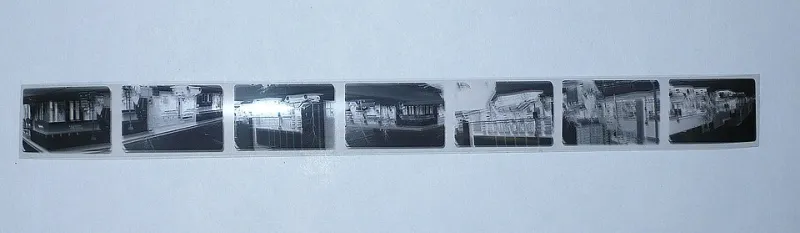
2. Mothlight (Stan Brakhage, 1963) — Moths and leaves pressed directly onto film stock. It ends the moment the material ends. There is nowhere further to go, and the film knows it.
3. Wavelength (Michael Snow, 1967) — Technically Canadian, but its forty-five-minute zoom into a photograph influenced two generations of American structuralists to end on arrival rather than explanation. Its shorter descendants populate this list's spirit entirely.
4. Panic Architecture (Owen Land's lineage, 1970s–80s) — The structural-comedy tradition of ending on a joke the audience hasn't finished decoding — a refusal to laugh for you.
5. Glass Chin (contemporary American short, 2010s) — Hand-processed textures that cut out mid-gesture, denying the viewer the satisfaction of watching the image fully form.
6. The Interval (Bailey Tom Bailey lineage, 2010s) — A study in withheld payoff: the film builds toward an event and simply stops attending.
7. Flicker Studies (after Paul Sharits) — Sharits's flicker films end by exhausting the eye rather than the narrative — an ending felt in the retina.
8. Scratch (Jennifer West tradition) — Direct-on-film works that terminate when the emulsion does, honoring material limits over dramatic ones.
9. Hollow Tone (contemporary, 2010s) — A sound-image work that cuts the audio ten seconds before the picture, teaching the audience what silence costs.
10. Last Frame (contemporary, 2020s) — A film literally composed of the final seconds of other unfinished works — endings borrowed from films that never earned them.
Why the Hard Cut Endures
The abrupt ending is democratic in a way few formal devices are. It does not require budget, scale, or star power — only nerve. It also suits the conditions of American indie production: shorts made in apartments and on weekends, where the honest ending is the one you can afford.
But the deeper reason is philosophical. A film that ends early makes a claim about its audience: that they do not need to be told what things mean. In an entertainment culture that over-explains by default, the cut that arrives too soon is a small act of respect — and occasionally, an act of trust so radical it feels like a dare.
Xylograph Films has always believed the strongest images are the ones left slightly unfinished — the carved block that still shows the knife. These ten films cut exactly there.