No Plot Required: A Field Manual for the Experimental Film Curious
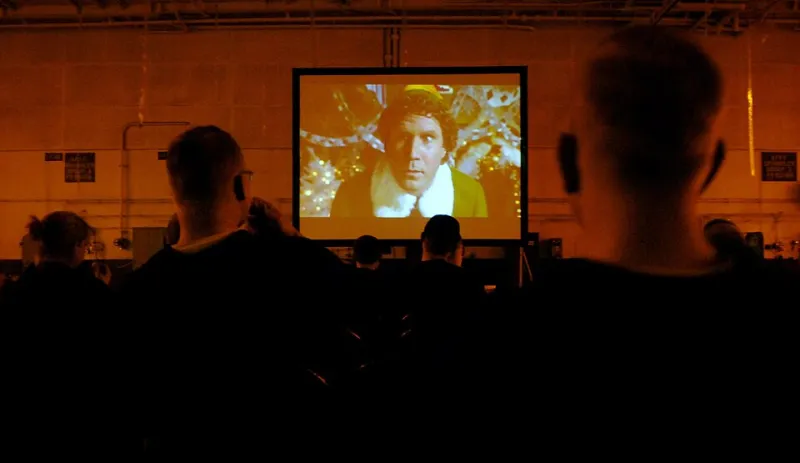
Photo: U.S. Navy photo by Mass Communication Specialist 2nd Class Arturo Chavez, Public domain, via Wikimedia Commons
Let's clear something up first: nobody in the projection booth is grading you.
The single biggest barrier to experimental film isn't difficulty. It's the fear of being caught not getting it — the sense that somewhere, someone with a syllabus and a Berensonian eye is watching your face for confusion. This fear keeps enormous audiences out of the most generous, most sensory corner of American cinema, and it deserves to be dismantled with the same directness we'd use to carve through a block of end-grain maple.
So here is the honest, unpretentious version of how to watch.
You Are Allowed to Just Look
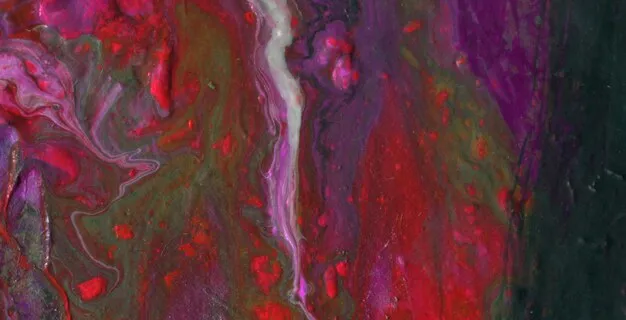
Narrative film trains us to be plot detectives. Who wants what? What's the conflict? Experimental film, particularly the short form, usually isn't playing that game. A five-minute film of ink blooming across glass isn't withholding a story from you. It's offering something else: duration, texture, movement, rhythm.
The most useful reframe is this — watch an experimental short the way you'd listen to an instrumental album. You don't ask what a saxophone solo is about. You notice how it moves, where it swells, when it resolves or refuses to. Same muscle. No homework required.
Three Things Worth Paying Attention To
If you want a little more structure than vibes, here are the three registers we return to again and again at Xylograph.
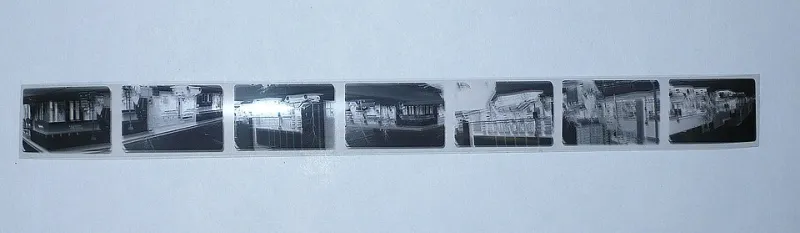
Surface. What is this image made of? Is it clean or gritty? Can you see the material — the paper grain, the scratches, the fingerprints? Handmade films often wear their process openly, and reading the surface is like reading brushstrokes in a painting. It's not cheating. It's the actual artwork.
Rhythm. How does the film move through time? Some experimental shorts cut like a jackhammer; some hold a single shot until your perception changes. Notice when the film repeats something, and what changes on the repetition. Repetition with variation is the avant-garde's version of a chorus.
Density. How much is happening in the frame? A film can be busy like a crowded woodcut or sparse like a single carved line on white paper. Neither is better. But noticing density gives your attention a job, and a job keeps restlessness at bay.
Five Doors Into the House
Rather than dropping you into the deep end of eight-hour structuralist epics, here are five approachable works by American artists — all short, all rewarding, none requiring a glossary.
1. Stan Brakhage, Mothlight (1963). The famous gateway. Moths and leaves pressed directly onto film stock, no camera involved. Three minutes of flickering wings. If you've ever held a dead leaf up to the sun, you already know how to watch this.
2. Mary Ellen Bute, Escape (1937). Bute was doing abstract animation on American screens decades before music visualizers. Playful, musical, and over before you can overthink it.
3. Jennifer West, Film Title Poem era works and film-processing pieces. West soaks, burns, and marks her film stock with everything from jalapeño juice to skateboard wheels. Great for anyone who wants to see the materiality argument in action.
4. Jodie Mack, The Grand Bizarre (2018). A feature, yes, but built from short-form logic: textiles, patterns, rhythm, and a sense of humor. Probably the most fun entry point on this list.
5. Naomi Uman, Removed (1999). Uman took a 1970s adult film and, with nail polish, removed the figures — leaving a flickering absence you can't stop watching. Proof that experimental film can be witty, pointed, and accessible all at once.
The Only Rule
If a film bores you, that's information, not failure. Leave. Try another. The American experimental scene is vast and weird enough that somewhere in it is a film made exactly for your eyes — you just have to keep looking, slowly, without apology.
The projector doesn't care if you understand. It only asks that you watch.