Ink on the Call Sheet: Three Printmakers the Indie Film World Keeps Hiring

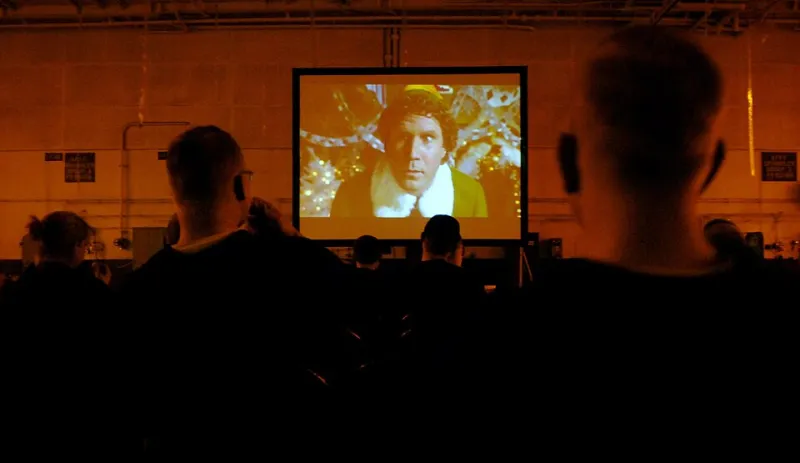
Photo by Photo by Cord Allman on Unsplash on Unsplash
Somewhere between the poster shop and the projection booth, a quiet division of labor has formed. American independent film, long enamored of digital polish, has begun commissioning people who spend their days with gouges, brayers, and ink — printmakers whose block-carved title cards and animated interstitials now bookend a surprising number of festival shorts and micro-budget features.
It is a small economy, but a real one. And to understand it, Xylograph Films spent several weeks with three working artists, each at a different stage of the same kind of commission: the kind where a director calls not for a logo, but for a texture.
The Commission as Collaboration
The first artist, a relief printmaker based in Providence, describes her film work as a translation problem. Directors arrive with a mood; she answers with a material. For a recent New England ghost story, she carved a single end-title block from a plank of pine salvaged from the production's own set, so that the credits would literally be printed from the house on screen.
This is not illustration in the conventional sense. The printmaker's contribution is structural — a title sequence that establishes grain and pressure before a single line of dialogue, an interstitial card that lets the audience's eye rest on something tactile between acts. Directors who hire them speak less about branding and more about temperature: the film should feel like it was touched.
Deadlines, Blocks, and the Economics of Touch
The second artist works out of a converted garage in Portland, Oregon, and is more candid about the money. A title-card commission for an indie feature might pay a few thousand dollars — less than commercial design work, but steadier than gallery sales, and increasingly frequent. She estimates that relief-print artists with a visible portfolio can now count on two or three film jobs a year, up from essentially none a decade ago.
The workflow is unforgiving. A forty-second animated title sequence might require several hundred carved blocks or a single block re-inked and rephotographed through hundreds of states of erosion. The image degrades as it prints — and that degradation, the slow wearing-down of the surface, is the aesthetic the directors are buying. Perfection is cheap. Wear has to be earned.
Why Studios Want the Hand to Show
The third artist, a Los Angeles-based woodcut animator, offers the clearest articulation of the trend. Streaming-era cinema, she argues, flattened everything into the same luminous sameness; a carved title card is a small act of resistance, proof that someone stood at a table and pushed a tool through wood. Studios that want their films to feel physically made — a phrase she hears in nearly every brief — are really asking for evidence of labor.
There is a lineage here, whether or not the filmmakers know it. American printmaking has always lived close to American film: the WPA poster workshops, the hand-lettered drive-in signage, the scratchy title cards of the silent era. What is new is the intent — not nostalgia, but a deliberate choice of the slowest possible method for the fastest possible medium.
What to Watch For
For audiences, the signatures are easy to spot once you know them: title typography with visible chatter at the edges, transition cards that seem to erode slightly with each appearance, posters whose ink sits unevenly on the paper. None of it is accidental. All of it is the printmaker's hand, arriving in the frame by invitation.
The three artists profiled here will likely never take a bow at a premiere. But their marks are in the room — pressed into the first and last moments of films that wanted, more than anything, to be believed as objects. In an industry obsessed with seamless delivery, the gouge and the brayer have become unlikely credentials.